
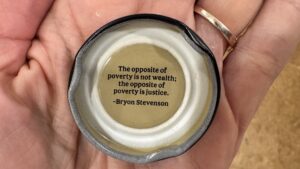
We’ve all heard it said: “The healthcare system is broken.” But here’s the truth—our health insurance system is not broken at all. It is working exactly as it was designed to work. It was designed to benefit a few at the top—executives, shareholders, middlemen—and to take advantage of the masses. Built on greed, propped up by hidden agendas, and shielded by layers of non-transparency, the system continues to thrive in ways that harm patients, families, and communities.
But before we go further, let’s clear up one of the most damaging misconceptions:
👉 Healthcare is not the same thing as health insurance. Healthcare is the relationship between patients and the people who care for them. Health insurance is simply one way to finance or pay for that care.
For decades, traditional carriers—Blue Cross, United, Cigna, Aetna, Humana—have deliberately blurred that line. These companies, now among the top 40 corporations worldwide, have engaged in manipulative tactics to brainwash us into believing that they are healthcare. But they are not. They are only one option to pay for healthcare—and not a very good one for many small and mid-sized businesses.
As a physician, I’ve often been told to “stay in my lane.” Translation: focus on the exam room, write prescriptions, order tests, don’t ask questions about why or how the larger system works. But my life has never been about staying in my lane. My life is mission-driven. Call it God, call it the universe, call it responsibility—something larger than me drives my daily work.
That is why I left the security of employment to build Love Health. It wasn’t a choice. It was a necessity. Because our communities, our children, our parents, our siblings, and our small businesses deserve better than what they are getting today.
Direct Primary Care: More Than Just a Practice
Launching Love Health was about more than opening a medical office. It was about creating something deeper than transactional, volume-driven medicine. I wanted time with my patients—time to hug them, to listen, to honor the mind-body-spirit connection. Time to keep them out of urgent care because they knew they could text or call me directly when something came up.
But very quickly, I realized this wasn’t just about me or my patients.
One of the most basic principles of Buddhism is interconnectedness. As much as we like to believe we are separate and independent, we are not. The way healthcare is structured for one person ripples into families, businesses, communities, and local economies. And once you see the web of connection, you can’t unsee it.
Looking at the Other Side of the Table
It wasn’t long before I realized I needed to understand the other side of the healthcare system—the side where non-medical decision-makers determine whether a procedure is “medically necessary,” whether a claim will be covered, or whether a family will go into medical debt.
What I found only confirmed my suspicions: the system benefits a few at the top, and it was designed on greed.
But here’s the good news: another way exists.
Case Studies That Prove the Point
In April 2025, I attended the Free Market Medical Association conference. Shortly after, I joined RosettaFest, which brought together employers, physicians, brokers, and innovators who are waking up to the reality that traditional health insurance models are not serving small and mid-sized businesses.
For three days, I listened to case study after case study:
- Employers who saved 20–40% on their healthcare spend.
- Employees who gained direct, concierge-style access to physicians.
- Businesses that once believed they couldn’t afford benefits suddenly offering top-notch packages that improved retention.
Imagine what that kind of savings means. For a small business, 30% in reduced healthcare costs is transformational. It means hiring more employees. Investing in growth. Revitalizing Main Street. Increasing property values. Strengthening local economies. When that happens, everyone benefits.
Collaboration, Not Replacement
This is where I want to be very clear: I am not here to replace brokers. Brokers play a vital role in navigating complex funding models, compliance rules, and plan design. But for too long, they’ve been asked to shoulder the responsibility of healthcare strategy alone.
What if brokers and physicians collaborated?
That’s why I now serve as Chief Medical Advisor for employer health plans. In this role, I partner with brokers and employers. I bring the clinical expertise—how decisions affect patients, what evidence supports certain pathways—while brokers bring the financial and strategic expertise. Together, we can craft plans that not only save businesses money but also honor the humanity of every employee.
Because when experienced brokers and physicians collaborate, businesses win, employees win, and communities thrive.
A New Way Forward
The health insurance system isn’t broken. It’s functioning exactly as designed—to benefit the few. But we don’t have to keep playing by those rules. A better way exists, and it’s already being implemented by forward-thinking employers, courageous brokers, and mission-driven physicians.
Wouldn’t it be great if experience, brokers, and physicians worked together to help your business? That’s the future we’re building—and it’s one where we all win.